Why Lantern & Branch exists.
Lantern & Branch was truthfully born from experiencing a loved one go through addiction, and seeing the impacts on both sides of it. During that time, support and constant check-ins became a habit. Years later, that individual is clean from a five-year fentanyl addiction. When asked why, her answer was that she knew her daughter, and her daughter’s father, had support and had resources. She could take the time she needed to recover without worrying about the people she knew it was affecting most. And you’d be surprised how often that is the answer.
Addiction doesn’t have to look like always opening the door, or sending another dollar. You can build yourself to be better for them. It is the boundary support and the listening ear that gives you the opportunity to work through it.
And it’s messy, it’s hard, and with relapse often being a part of recovery we can land in the same places: burnt out, worn down, starting over.
Lantern & Branch is not just a nonprofit but a true passion of mine, built from the opinions of loved ones, from sitting in on Al-Anon meetings, from trying to learn as much as I could about addiction through research and people’s experiences, and from asking the hard questions. I still have so much to learn, and I am committed to continuing that learning.
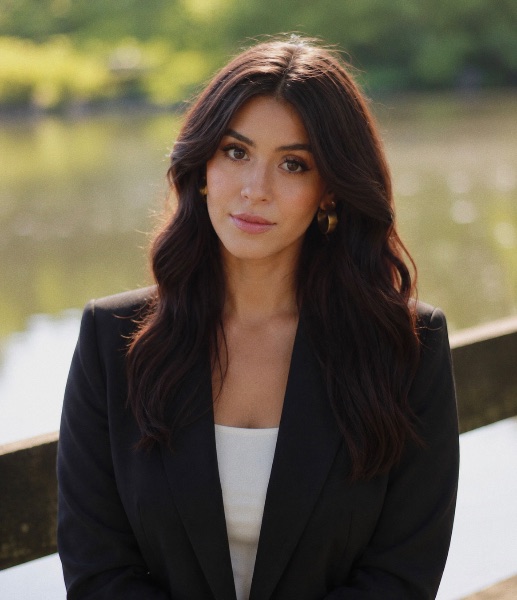
I work in this field every day. As executive vice president of corporate development for Apexx, I advise and help build the systems that government agencies use to respond to behavioral health and opioid crises. I have done the research on what those systems fund, and where the family fits into it.
I came to that work through nonprofits, doing field research, supporting mentor programs, and learning communication and marketing from the inside. Working on the matching side of a mentoring program is what taught me how much one steady relationship can carry. It is the same idea Lantern & Branch is built on.
I am in the organizational leadership graduate program at Brown University, and my earlier studies at Pennsylvania State University focused on human development and public policy. Beyond that, I have committed to keeping my understanding of addiction current, through research, through sitting in on Al-Anon meetings to better understand what families carry, and through asking the hard questions of the people living it. Every one of those paths was chosen with the same goal in mind: to build something for the people the response leaves out, and to run it well enough to last.
Virginia has clinical centers and support for the person in recovery. The family, whether that is parents, spouses, or kids, usually gets nothing formal at all, even though they carry the crisis too.
When a family is supported, their loved one’s odds of long-term recovery go up. We aren’t here to replace clinical care. We’re here for everyone else in the house.
See what we plan to do about it →Three commitments.
{{ p.title }}
{{ p.body }}
growing together.
Guiding is the lantern: a Companion who checks in on schedule every week while everything else is uncertain.
Growing is the branch: the longer work after the crisis passes: reconnecting with community and rebuilding stability week by week, together.
Governance and oversight.
{{ g.title }}
{{ g.body }}